
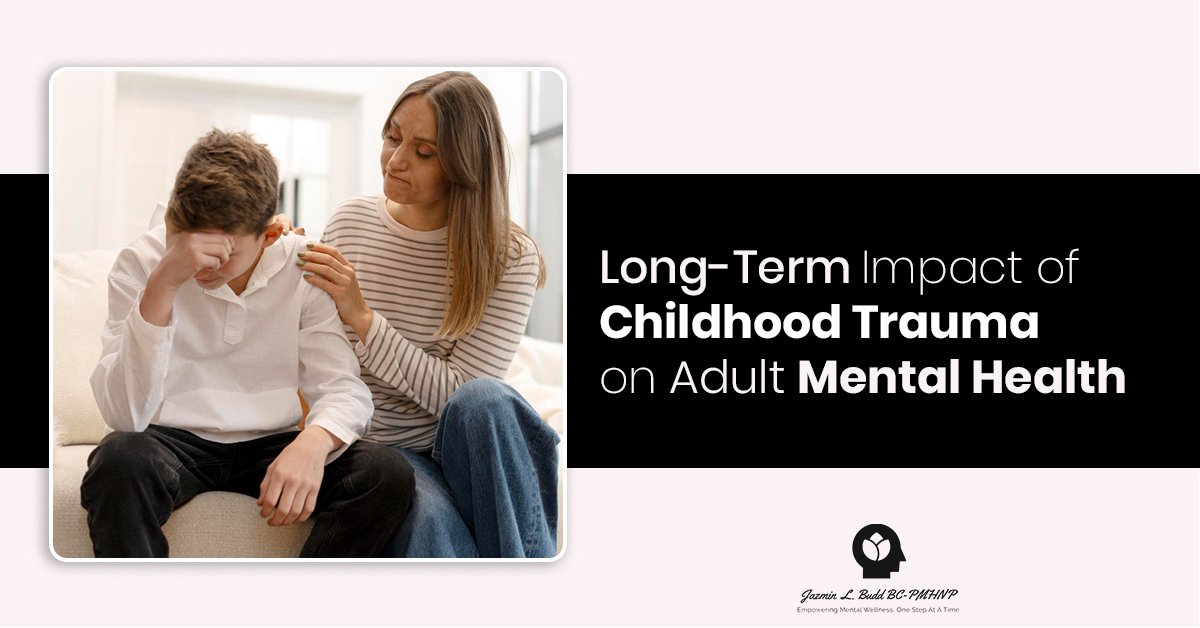
Childhood trauma refers to adverse childhood experiences (ACEs) that overwhelm a young person’s capacity to cope. These can include physical or emotional abuse, neglect, chaotic family environments, or the loss or separation from a primary caregiver. Encountering such severe stressors can profoundly alter a child’s neurobiological and physiological development. Coping strategies forged for survival in those early years often persist into adulthood, manifesting as lasting mental‑health challenges.
In this article, we provide a comprehensive overview of childhood trauma, examining how it shapes the developing brain and body. We will explore the connection between early trauma and the emergence of mental‑health disorders later in life, and we will present evidence‑based pathways to healing and recovery for those who have experienced early adversity.
Understanding Childhood Trauma: A Comprehensive Overview
What Is Childhood Trauma?
Childhood trauma refers to experiences that overwhelm a young person’s ability to cope and preserve a feeling of safety. The key factor of a traumatic event is not merely the incident itself, but how the child interprets and processes it, especially when adequate support is missing.
Primary Sources of Childhood Trauma
Physical, Emotional, and Sexual Abuse
Direct injury inflicted on a child through bodily violence, emotional manipulation, or sexual exploitation stands as one of the most severe forms of childhood trauma.
Neglect and Insufficient Care
Repeated failure to satisfy a child’s basic needs—such as safety, food, shelter, medical care, and emotional nurturing—represents a major source of developmental trauma.
Household Dysfunction and Adversity
Children who witness caregiver mental illness, substance‑use problems, domestic violence, parental incarceration, or intense family conflict encounter substantial psychological stressors that can alter their developmental trajectory.
Community and Systemic Trauma
External influences like bullying, discrimination, neighborhood violence, refugee experiences, and natural disasters also generate traumatic stress in children’s lives.
Loss and Environmental Instability
The death of primary caregivers, placement into foster care, or frequent moves can deeply disrupt a child’s sense of security and attachment.
Types of Childhood Trauma
Trauma can be categorized as acute, single‑event incidents (e.g., car accidents), or chronic/complex trauma (characterized by ongoing abuse or neglect). Complex trauma, in particular, profoundly shapes a child’s emerging identity, belief systems, and capacity for healthy relationships.
The Neurobiological Impact of Trauma on Child Development
The developing brain undergoes critical periods of growth, especially in areas responsible for emotional regulation, memory, attention, and social cognition. When a child encounters traumatic events during these windows, the nervous system shifts priority to survival rather than optimal development, leading to lasting alterations in brain structure and function.
Neurological Adaptations to Childhood Trauma
1. Heightened Stress‑Response Activation
Trauma may cause persistent stimulation of the autonomic nervous system’s fight‑flight‑freeze circuitry. As a result, children often become hypervigilant, constantly scanning for danger even in safe settings. This chronic stress state can affect overall well‑being and engagement with the environment.
2. Impaired Emotional and Behavioral Regulation
The prefrontal cortex, which manages executive functions such as impulse control and planning, can lose efficiency under sustained stress. This reduced regulatory capacity may appear as difficulty self‑soothing, managing strong emotions, and controlling impulsive actions.
3. Cognitive Difficulties and Learning Interruptions
A brain tuned to detect threats frequently struggles with higher‑order cognitive tasks. Traumatized children may show reduced concentration, weakened working memory, and academic challenges as their attention is largely devoted to ensuring safety.
4. Formation of Maladaptive Cognitive Schemas
Traumatic experiences can reshape a child’s core beliefs about themselves, others, and the world. They may develop harmful schemas, such as chronic self‑blame, pervasive distrust, and a generalized feeling of insecurity, which can impede social development and mental health.
The Adaptive Nature of Trauma Responses
It is essential to recognize that these neurobiological changes are not merely pathological; they are sophisticated adaptive mechanisms designed to protect the child in threatening contexts. These responses are vital for survival during acute danger. However, when trauma‑driven responses persist long after the threat has ended—without consistent safety and appropriate therapeutic support—they become significant barriers to healthy long‑term development, social functioning, and overall quality of life.
The Long-Term Mental‑Health Consequences of Childhood Trauma: An In‑Depth Overview
Childhood trauma is a major public‑health issue that reverberates throughout adulthood, shaping mental health and overall well-being. Although personal resilience can buffer some adverse outcomes, research repeatedly shows that early traumatic experiences markedly raise the likelihood of developing a wide range of psychological disorders over the lifespan. Grasping these patterns is crucial for diminishing stigma and improving access to evidence‑based therapeutic options.
Heightened Risk of Psychiatric Disorders After Childhood Trauma
Post‑Traumatic Stress Disorder (PTSD) and Complex PTSD (C‑PTSD)
Adults who endured trauma in childhood often develop PTSD, marked by intrusive recollections, nightmares, avoidance, hyper‑arousal, emotional numbness, and skewed beliefs about safety and the world. Complex PTSD—generally stemming from prolonged interpersonal abuse—adds persistent shame, emotional dysregulation, and enduring relational difficulties that can seriously disrupt everyday functioning.
Depression and Anxiety
Survivors of early trauma show a higher incidence of mood and anxiety illnesses. These may appear as chronic depressive phases, overwhelming guilt, panic attacks, pervasive worry, and somatic complaints such as frequent headaches or stomach problems. Such manifestations frequently arise from prolonged nervous‑system activation and maladaptive stress‑response patterns set up in childhood.
Substance‑Use Disorders
Many trauma survivors turn to alcohol or drugs as short‑term coping tools. These substances may initially help dull emotional pain, aid sleep, or create a false sense of normalcy. Without trauma‑informed care, use can evolve into dependence or full‑blown addiction.
Eating Disorders and Self‑Harm
Some individuals regulate emotions or attempt to regain control through disordered eating or self‑injurious actions. While these behaviors can serve critical psychological functions, they require specialized interventions that also address the underlying trauma.
Personality‑Related Challenges
Prolonged exposure to childhood trauma can foster lasting interpersonal dysfunction, including fears of abandonment, identity confusion, and unstable relationships. Such patterns typically originate from early relational wounds and disrupted attachment formation.
Influence on Relationships and Attachment
Childhood trauma profoundly shapes the development of secure attachment, the bedrock of healthy adult relationships. Common attachment‑related issues include:
- Trust and Intimacy Problems: Survivors may struggle to trust, oscillating between excessive self‑reliance and premature dependence, which can block the formation of balanced, reciprocal bonds.
- Fear of Abandonment and Rejection: Minor conflicts may trigger intense abandonment fears, leading to exaggerated emotional reactions and relationship volatility.
- Boundary Difficulties: Individuals might either overshare, conceal needs, fail to assert limits, or tolerate unhealthy dynamics to avoid perceived conflict.
- Parenting Challenges: Past trauma can interfere with parenting, as ordinary child behaviors may elicit trauma responses or heighten anxiety about attachment and bonding.
Cognitive and Behavioral Effects of Childhood Trauma
Executive‑Function Deficits
Trauma can impair planning, problem‑solving, organization, and stress regulation, with difficulties intensifying under heightened pressure.
Attention and Learning Obstacles
Hyper‑vigilant coping styles may disrupt concentration, especially in school or work settings, because the brain prioritizes threat detection over information processing.
Impulsivity and Risk‑Taking
Rapid decision‑making that once served survival may now manifest as impulsive choices and increased risk‑taking in adult life.
Academic and Occupational Struggles
Survivors often grapple with perfectionism, burnout, fear of failure, or impostor syndrome, all of which can undermine long‑term educational and career aspirations.
Understanding and Healing Childhood Trauma: A Comprehensive Guide
The mind and body are tightly linked, and adverse childhood experiences can leave lasting imprints on health. Recognizing this connection is the first step toward effective recovery. This guide offers a concise overview of how early trauma affects physical health, typical signs of unresolved trauma, evidence‑based treatments, and resilience‑building strategies.
How Childhood Trauma Impacts Physical Health
Adverse childhood experiences (ACEs) affect lifelong health through several intertwined biological and behavioral routes, underscoring the need for a whole‑person approach to wellness.
- Allostatic Load: Chronic exposure to stress hormones (e.g., cortisol) keeps the body in a constant “fight‑or‑flight” mode, fostering systemic inflammation, metabolic disruption, and accelerated cellular aging.
- Sleep and Pain Sensitivity: Trauma‑induced hyper‑arousal disturbs sleep architecture; poor or insufficient sleep, in turn, heightens pain perception and worsens mood disorders.
- Health‑Compromising Behaviours: To soothe emotional distress, individuals may resort to substance use, disordered eating, or sedentary habits, all of which raise the risk of chronic illness.
- Elevated Risk of Chronic Diseases: Adults with significant early adversity show higher rates of cardiovascular disease, type 2 diabetes, autoimmune conditions, and persistent pain syndromes.
These links do not seal one’s fate; they highlight the importance of trauma‑informed care in both medical and mental‑health settings to reduce risk and promote healing.
Common Indicators of Unresolved Childhood Trauma
People do not always label past hardships as “trauma,” yet their effects can surface across many life domains. Spotting these signals is essential for obtaining appropriate support.
- Emotional Dysregulation: Ongoing shame or guilt, irritability, rapid mood swings, emotional numbness, and a constant sense of being “on edge.”
- Cognitive Distortions: Intrusive flashbacks, concentration problems, and persistent negative self‑talk such as “I’m fundamentally broken” or “It was my fault.”
- Behavioural Patterns: Avoidance of trauma cues, compulsive overworking, people‑pleasing, perfectionism, and recurring conflict or withdrawal in relationships.
- Somatic Complaints: Unexplained chronic headaches, gastrointestinal issues, diffuse muscle tension, persistent sleep problems, and ongoing fatigue.
- Relational Difficulties: Deep fear of intimacy, testing partners’ loyalty, chronic mistrust, or forming intense, early attachments.
If multiple signs persist for months, consulting a trauma‑informed professional can bring meaningful relief and aid recovery.
Evidence‑Based Treatments for Healing Childhood Trauma
Recovering from childhood trauma is both documented and attainable. Therapy aims not to erase the past but to restore nervous‑system regulation, broaden the “window of tolerance,” and foster a meaningful, connected life.
Professional Therapeutic Approaches
- Trauma‑Focused Cognitive‑Behavioral Therapy (TF‑CBT): A structured modality teaching clients to identify trauma responses, challenge unhelpful beliefs, and acquire coping skills, often incorporating gradual exposure to traumatic memories in a safe setting.
- Eye Movement Desensitization and Reprocessing (EMDR): Utilizes bilateral stimulation (eye movements, sounds, or taps) while recalling traumatic events, helping to diminish the emotional charge of those memories and integrate them more adaptively.
- Dialectical Behavior Therapy (DBT): Skills‑oriented treatment targeting emotion regulation, distress tolerance, mindfulness, and interpersonal effectiveness—especially useful for those experiencing intense emotions or self‑harm behaviours.
- Somatic and Body‑Based Therapies: Focus on restoring the body’s innate capacity to complete incomplete physiological responses to trauma, often through breath work, movement, or tactile interventions.
These modalities, when delivered by trauma‑knowledgeable clinicians, can significantly alleviate symptoms and empower survivors to build healthier, more resilient lives.
Approaches to Averting Childhood Trauma and Assisting At‑Risk Youth
Although we can’t eliminate every negative experience a child may encounter, creating protective factors can shield the developing brain from trauma’s lasting impact. By concentrating on key areas of support, we can lessen risks and build resilience in children.
Core Safeguards for Trauma Prevention
Boosting the following areas can markedly diminish trauma’s influence on a child’s growth:
- Secure, Consistent, and Caring Relationships (SCCRs): Having at least one dependable, loving adult stands out as a powerful shield against childhood trauma. These bonds lay a groundwork of safety and trust.
- Emotional Vocabulary Development: Teaching children to recognize and express their feelings is vital. Giving them the words for their emotions helps them seek assistance and tackle problems constructively.
- Predictable Daily Routines: Regular habits—such as set meal times, steady sleep patterns, and family traditions—create a feeling of security and stability for the child.
- Positive Discipline Practices: Moving away from punitive tactics toward discipline that emphasizes connection, clear limits, and natural outcomes encourages a healthier parent‑child relationship and teaches responsibility without fear.
- Robust Community Ties: Involvement with mentors, extracurricular clubs, and faith‑based or cultural groups expands a child’s support network and fosters a sense of belonging.
The Role of Schools and Pediatric Care in Trauma‑Informed Support
Educational and health‑care environments are uniquely positioned to spot at‑risk youngsters and apply trauma‑sensitive strategies:
- Trauma‑Aware Classroom Settings: Schools can craft safe learning zones by adding “calm corners,” allowing movement breaks, and keeping daily transitions predictable.
- Staff Professional Development: Training teachers and school personnel to view dysregulation as a physiological stress reaction—not deliberate defiance—is key to offering proper assistance.
- Mental‑Health Screening and Referral: Pediatric teams can perform routine checks for anxiety, depression, and sleep issues, enabling swift referrals to mental‑health specialists.
- Coordinated Caregiver Communication: Setting up clear, consistent channels among schools, health providers, and families ensures a unified approach to the child’s welfare.
Guidance for Parents and Caregivers on Preventing Trauma
Parents and caregivers are central to cultivating a child’s resilience. The following tactics are essential:
- Prioritize Relationship Repair: Disagreements and breaks in connection are inevitable in families. What matters most is the repair that follows—apologizing and reconnecting strengthen the parent‑child bond.
- Engage in Co‑Regulation: A caregiver’s nervous system directly affects a child’s. By managing their own stress through practices like deep breathing and a calm voice, adults help children learn to self‑soothe more effectively.
- Seek External Support Networks: Pursuing therapy, joining parent support groups, and using respite services are not signs of failure; they are proactive investments in the whole family’s mental health and stability.
Healing from Childhood Trauma and Finding Assistance
The effects of childhood trauma can endure, but they do not dictate the entirety of a person’s story. The brain and body possess an extraordinary capacity for change and recovery. With appropriate, evidence‑based help, many people move beyond mere survival to a thriving state marked by better emotional regulation, more secure relationships, clearer personal boundaries, and renewed confidence.
If this material resonates with your own experiences, remember that help is available and you deserve it.
Practical Steps for Healing
- Design a Personal Calm‑Down Routine: Choose three simple actions that calm your nervous system and store them on your phone for quick access during stressful moments.
- Explore Trauma‑Informed Therapy Options: Look into evidence‑based treatments such as Trauma‑Focused Cognitive Behavioral Therapy (TF‑CBT), Eye Movement Desensitization and Reprocessing (EMDR), Dialectical Behavior Therapy (DBT), or somatic therapies.
- Reach Out for Support: Share this guide with a trusted friend, family member, or professional and request one specific form of assistance.
No comment