
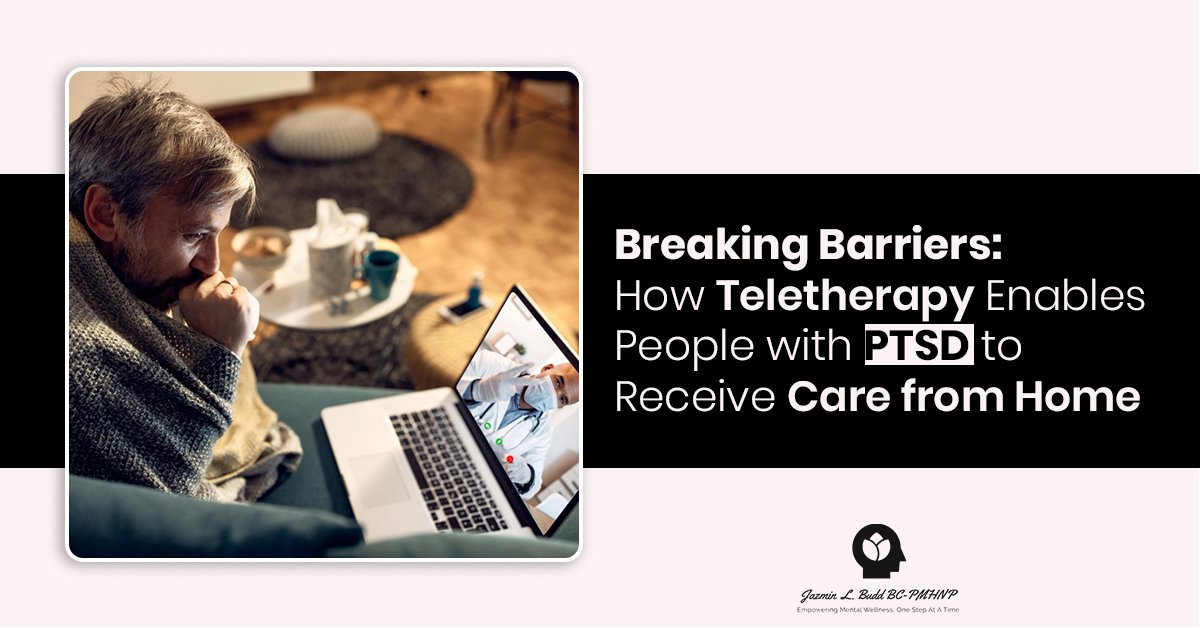
Post‑traumatic stress disorder (PTSD) is a serious mental health condition that can arise after a person experiences or witnesses a traumatic event. Common manifestations include intrusive memories such as flashbacks, heightened anxiety, and avoidance of trauma‑related cues. These symptoms can dramatically impair everyday life.
In recent years, teletherapy has emerged as a transformative method for delivering mental‑health care. By leveraging secure online platforms for video calls or messaging, clients can obtain professional counseling from the safety and convenience of their own homes. This model is especially beneficial for PTSD treatment because it removes many traditional obstacles to care.
This article will explore how teletherapy for PTSD tears down those barriers, offering convenient and reachable support. We will examine the benefits of handling PTSD through telehealth, the evidence supporting online PTSD therapy, and how it enhances comfort and accessibility for patients and their families.
Understanding PTSD and Its Impact on Daily Life
PTSD is a psychiatric disorder that can develop in some individuals who have lived through a shocking, frightening, or dangerous incident. It can affect anyone, regardless of age or background, and is marked by symptoms that interfere with relationships, work, and routine activities. The brain may stay on high alert long after the danger has passed.
The prevalence of PTSD is noteworthy. In the United States, about 3.6 % of adults reported PTSD symptoms in the past year. Worldwide, lifetime prevalence is estimated at roughly 3.9 %, affecting veterans, accident survivors, and those who have endured interpersonal or family trauma.
The condition takes a heavy emotional and physical toll.
- Emotional Symptoms: Persistent hypervigilance, irritability, and marked mood swings are common.
- Physical Symptoms: Sleep problems such as insomnia and nightmares, chronic headaches, and ongoing fatigue often occur.
- Impact on Families: PTSD can strain family dynamics. A person may withdraw socially, leading to tense interactions and added stress for relatives, including children.
Effective, accessible treatment is essential for managing these effects. Recognizing the fundamentals of PTSD underscores the need for flexible treatment options like teletherapy.
Traditional Obstacles to Accessing In‑Person PTSD Therapy
Conventional face‑to‑face treatment presents a series of challenges that can discourage many from starting or maintaining PTSD care.
Physical and Logistical Challenges
- Travel and Commuting: The journey to a therapist’s office can trigger anxiety for someone with PTSD. Mobility limitations, living in remote areas with few specialists, or adverse weather further complicate attendance.
- Time Constraints: Fixed office hours may clash with work schedules and family duties, making it hard to secure appointment slots. Arranging childcare adds another layer of difficulty.
Emotional and Psychological Hurdles
- Stigma and Privacy: The stigma surrounding mental‑health care can lead individuals to fear judgment. Visiting a physical clinic may feel exposed and compromise privacy.
- Environmental Triggers: The clinical setting itself can be stressful. Crowded waiting rooms or unfamiliar environments may feel unsafe and worsen PTSD symptoms.
Research confirms these barriers. Studies show dropout rates for in‑person PTSD therapy ranging from 18 % to over 30 %, highlighting a clear need for more accessible alternatives.
What Is Teletherapy? A Beginner’s Guide
Teletherapy—also called telehealth therapy or virtual counseling—is the provision of mental‑health services via secure digital platforms. Patients connect with licensed therapists through video conferencing, phone calls, or text‑based chat applications.
Although the concept is not new, its adoption surged after global events such as the COVID‑19 pandemic, turning it into a mainstream option for mental‑health treatment. For PTSD, teletherapy brings several notable features:
- Secure Platforms: Services typically employ HIPAA‑compliant software and specialized telehealth applications to protect data privacy.
- Flexible Session Types: Teletherapy can accommodate one‑on‑one appointments, group sessions, and family counseling, all tailored to the unique needs of individuals with PTSD.
Terms like “telehealth for mental health,” “online therapy for PTSD,” and “virtual PTSD counseling” all refer to this accessible model of care.
How Teletherapy Enhances Comfort and Control for PTSD Patients
A sense of safety and comfort forms the foundation of effective PTSD treatment. Teletherapy excels in this domain by allowing therapy to occur within the patient’s own environment.
Key advantages include:
- Familiar Surroundings: Being at home offers a safe, controlled space, reducing anxiety and limiting exposure to potential triggers.
- Reduced Sensory Overload: Clients can avoid the stress of traffic, public transport, and crowded waiting areas, enabling full focus on the therapeutic process.
- Personalized Environment: The ability to create a soothing setting—such as having a pet nearby or using a weighted blanket—can markedly ease the emotional demands of a session.
Leading organizations, including the American Psychological Association (APA), have observed that home‑based therapy can boost patient engagement and improve treatment adherence.
Boosting Accessibility: Teletherapy’s Role in Closing PTSD Treatment Gaps
Accessibility is a cornerstone of equitable healthcare, and teletherapy plays a vital role in narrowing gaps in PTSD care.
Geographical Accessibility
Teletherapy eliminates distance barriers, enabling individuals in rural or underserved regions to connect with specialized PTSD therapists who may be located hundreds of miles away. While licensing rules must be considered for cross‑state practice, this model dramatically expands the pool of available providers.
Scheduling Flexibility
Patients can book sessions that fit their lives, including evenings or weekends, accommodating work and family commitments. This flexibility often leads to shorter wait times compared with traditional in‑person services.
Cost‑Effectiveness and Inclusivity
Teletherapy providers often have lower overhead, which can translate to more affordable fees. Many insurance plans now cover virtual mental‑health sessions. The model is inherently more inclusive, serving people with physical disabilities, offering services in multiple languages, and facilitating matches with culturally competent therapists.
Keywords such as “accessible PTSD therapy” and “teletherapy accessibility benefits” succinctly capture the value proposition of this approach.
The Science Behind Teletherapy’s Effectiveness for PTSD
A substantial body of research demonstrates that teletherapy is a highly effective treatment modality for PTSD, with outcomes frequently on par with traditional face‑to‑face therapy.
Evidence shows successful delivery of evidence‑based interventions such as Cognitive Behavioral Therapy (CBT) and Eye Movement Desensitization and Reprocessing (EMDR) via telehealth platforms.
Key findings include:
- Improved Adherence: The convenience of teletherapy often results in higher attendance rates and greater treatment completion.
- Positive Clinical Outcomes: Multiple clinical trials have reported significant reductions in PTSD symptoms among patients receiving teletherapy.
- Enhanced Family Involvement: Telehealth facilitates the inclusion of family members in sessions, fostering a more comprehensive support system.
Both the APA and the U.S. Department of Veterans Affairs (VA) endorse teletherapy as an effective and comparable alternative to in‑person care for PTSD.
Getting Started with Teletherapy for PTSD Management
If you’re considering teletherapy, follow these essential steps to begin:
- Research Providers: Locate licensed therapists who specialize in PTSD and have telehealth experience. Online directories and professional organizations are valuable resources.
- Verify Insurance Coverage: Contact your insurer to confirm that virtual mental‑health sessions are covered.
- Set Up Your Technology: Ensure a reliable internet connection, a private space for sessions, and a device equipped with a camera and microphone.
- Prepare for Your First Session: It can be helpful to journal your symptoms, goals, and any questions you have before the initial appointment.
Potential Obstacles of Teletherapy and How to Overcome Them
Although incredibly advantageous, teletherapy does come with some possible hurdles. Fortunately, these are usually easy to handle.
Technical Glitches: Problems with internet connectivity or devices can interrupt a session. Having a contingency plan—like switching to a phone call—and getting comfortable with the software ahead of time can prevent interruptions.
Establishing Online Rapport: Forming a solid therapeutic bond may require extra time in a virtual setting. Maintaining regular, transparent communication with your therapist is essential for building trust remotely.
For the majority of people, the benefits of teletherapy for PTSD far exceed these addressable obstacles.
Conclusion
Teletherapy is reshaping PTSD treatment by providing a convenient, accessible, and effective alternative to conventional in‑person care. Breaking down geographic, logistical, and psychological barriers allows individuals and families to receive the support they need from the comfort of their own home.
We suggest looking into teletherapy options, seeking guidance from qualified professionals, and utilizing available resources for managing PTSD through telehealth. With adequate assistance, surpassing PTSD challenges and moving toward a healthier life is an attainable goal.
Frequently Asked Questions (FAQs)
What distinguishes teletherapy from traditional PTSD therapy?
Teletherapy is delivered via secure online platforms, whereas traditional therapy occurs face‑to‑face. Both can be effective, but teletherapy adds the convenience of receiving care without leaving home.
Is teletherapy suitable for severe PTSD cases?
Yes. Studies indicate that teletherapy can be just as effective as in‑person treatment across a broad spectrum of PTSD severity when provided by a qualified clinician using evidence‑based methods.
How can I locate a telehealth therapist who specializes in PTSD?
Search online therapist directories (e.g., Psychology Today or the APA), consult mental‑health professional associations, or ask your primary‑care doctor for referrals. Verify the therapist’s credentials and PTSD expertise.
Does insurance cover mental‑health telehealth services?
Many insurance plans now reimburse tele‑mental‑health appointments. Review your policy details or contact your insurer for specifics.
Can family members join teletherapy sessions for PTSD?
Yes. Family involvement is frequently encouraged and can be easily facilitated through teletherapy platforms, providing a valuable component of comprehensive support for someone with PTSD.
No comment